Write-Up Author-Dejesus Bowling
Within the last few years, developments in eye surgery have revolutionized the way we consider vision correction, and in this realm innovations is SMILE eye surgery. Meaning Small Incision Lenticule Extraction, this advanced laser procedure is growing in popularity as a safe and effective alternative for those seeking clear vision excluding the need for glasses or contact lenses. With its minimally invasive nature, SMILE is especially appealing to patients with nearsightedness, offering a solution that features a faster recovery and reduced discomfort in contrast to traditional methods.
When patients consider their possibilities for laser eye surgery, comprehending the benefits and mechanics of SMILE can be essential. A lot of are eager to learn about what exactly SMILE eye surgery entails, how it works, and what they can anticipate in terms of recovery and side effects. Additionally, potential candidates often assess the cost of the procedure against the advantages. This article will delve into the ins and outs of SMILE eye surgery, its comparison to other popular procedures, and the life-changing benefits it can provide to those struggling with myopia.
Understanding Small Incision Lenticule Extraction
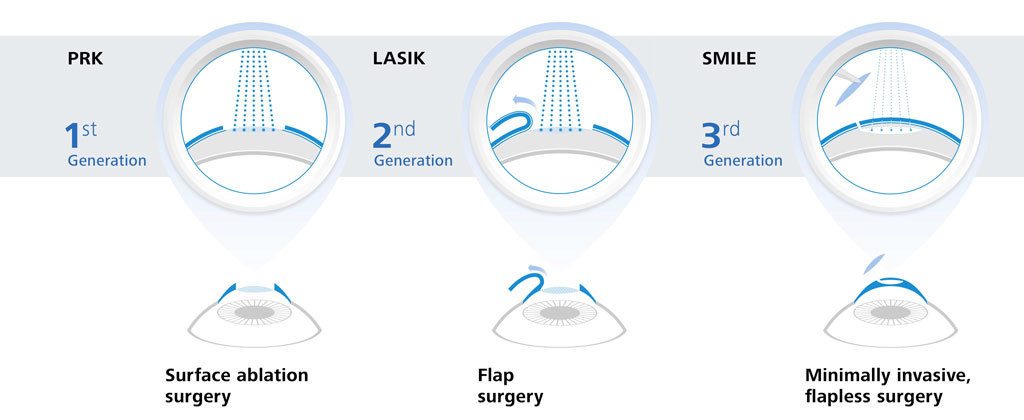
Small Incision Lenticule Extraction eye surgery, or SMILE, is an innovative laser eye surgery formulated to correct myopia. This cutting-edge procedure gives a minimally invasive technique relative to traditional methods like LASIK and PRK. During the SMILE procedure, a laser produces a delicate, lens-like piece of tissue within the cornea, which is then removed through a small cut. This technique reshapes the cornea to correct vision, providing patients with sharper eyesight.
One of the significant features of Small Incision Lenticule Extraction eye surgery is its exactness and minimal impact on neighboring tissues. The reduced incision used in the procedure not only promotes speedier recovery times but also assists maintain the cornea's integrity. As a consequence, patients often undergo minimal discomfort and a more rapid return to their daily activities. The procedure has achieved popularity due to its efficacy and the lowered risk of complications compared to other vision correction surgeries.
Many individuals looking into Small Incision Lenticule Extraction eye surgery often ask about its cost and gains. While Small Incision Lenticule Extraction surgery prices can vary based on factors such as geographic area and the doctor's expertise, the expenditure is often justified by the long-term advantages of enhanced vision and lessened dependence on glasses or contact lenses. With a concentration on delivering enhanced visual results and patient comfort, Small Incision Lenticule Extraction represents a game-changing option in the field of refractive surgery.
Benefits and Costs of SMILE Surgery
Small Incision Lenticule Extraction eye surgery offers various benefits for individuals seeking a remedy for nearsightedness. One of the primary advantages is the minimally invasive nature of the procedure. Unlike traditional LASIK, which requires making a flap in the cornea, SMILE involves a reduced incision, leading to less recovery time and discomfort. Patients often report speedier visual recovery, allowing them to return to their daily activities much sooner than with alternative surgical options. Additionally, because the procedure maintains more corneal nerves, many experience reduced dry eye syndrome afterward.
When considering expenses, SMILE laser eye surgery is a critical aspect for many patients. The expense can vary substantially based on where you are, the surgeon's expertise, and the technology used during the procedure. On average, patients can expect the cost of SMILE surgery to range from $2000 to 4000 dollars per eye. While this may seem steep, many find it to be a worthwhile investment when considering the long-term financial savings on glasses and contact lenses. It's recommended to check with individual clinics as many offer financing options to make the procedure more accessible.
In assessing the advantages versus costs, many patients find that the lasting advantages of better vision and the convenience of being free from corrective lenses often outweigh the initial financial commitment. Furthermore, SMILE eye surgery is known for its reduced rate of complications and side effects, making it an attractive choice for those who prioritize their health and vision. With advances in technology, SMILE continues to be a prominent option for vision correction, providing crystal clear sight and enhancing the quality of life.
Recovery and Side Effects
After completing SMILE eye surgery, patients generally experience a relatively quick recovery. Most individuals report enhanced vision within a 24 hours or two, with many returning to normal activities shortly after the procedure. It's advised to rest for at least the first day post-surgery and to avoid strenuous activities. Follow-up appointments with the eye doctor are vital to ensure that healing is progressing as expected and to address any concerns.
Like any operation, SMILE eye surgery can carry potential side effects. Some common side effects include temporary dry eyes, mild discomfort, or blurred vision in the early days following the procedure. Most of these symptoms typically resolve on their own as the eyes recover. Patients are encouraged to keep their eyes moist using prescribed eye drops to reduce any dryness.
Long-term side effects are not frequent but can include visual disturbances such as glare or halos around lights, particularly at night. While these side effects may fade over time, it's important to talk about any persistent issues with an eye care professional. Generally, the benefits of clearer vision and reduced dependency on glasses or contact lenses often outweigh these temporary inconveniences.
Comparing Small Incision Lenticule Extraction with Other Procedures
When considering ophthalmic procedures, two commonly discussed methods are Small Incision Lenticule Extraction and PRK. Small Incision Lenticule Extraction, or Small Incision Lenticule Extraction, uses a gentler technique to alter the cornea and adjust myopia. In contrast, Photorefractive Keratectomy, or Photorefractive Keratectomy, involves excising the outer layer of the cornea to access the underlying tissue. While both procedures aim to improve vision, SMILE typically offers a faster recovery time and less postoperative discomfort due to its less invasive approach.
Another significant aspect of Small Incision Lenticule Extraction compared to standard LASIK is the incision size and lack of a flap. LASIK requires creating a corneal flap, while Small Incision Lenticule Extraction only involves a small incision, which preserves more corneal structure. This flap-free design can potentially lower the risk of certain complications associated with creating a flap, providing additional safety for the patient. Although LASIK has been commonly applied and demonstrated its efficacy, many patients are now favoring Small Incision Lenticule Extraction for its cutting-edge technique and more comfortable recovery.
Price is always an important consideration when evaluating surgical choices. The Small Incision Lenticule Extraction surgery cost can vary depending on the geographic area and the surgeon's experience, similar to LASIK and Photorefractive Keratectomy. While https://drive.google.com/drive/folders/1x0EEgoaXw-BicaGOgNA4OuxluWK8Wdd-?usp=sharing may initially appear higher-priced, many believe its benefits, such as shorter recovery duration and fewer side effects, warrant the investment. Additionally, many clinics have payment plans, making this progressive procedure easier to afford for those seeking enhanced sight.